
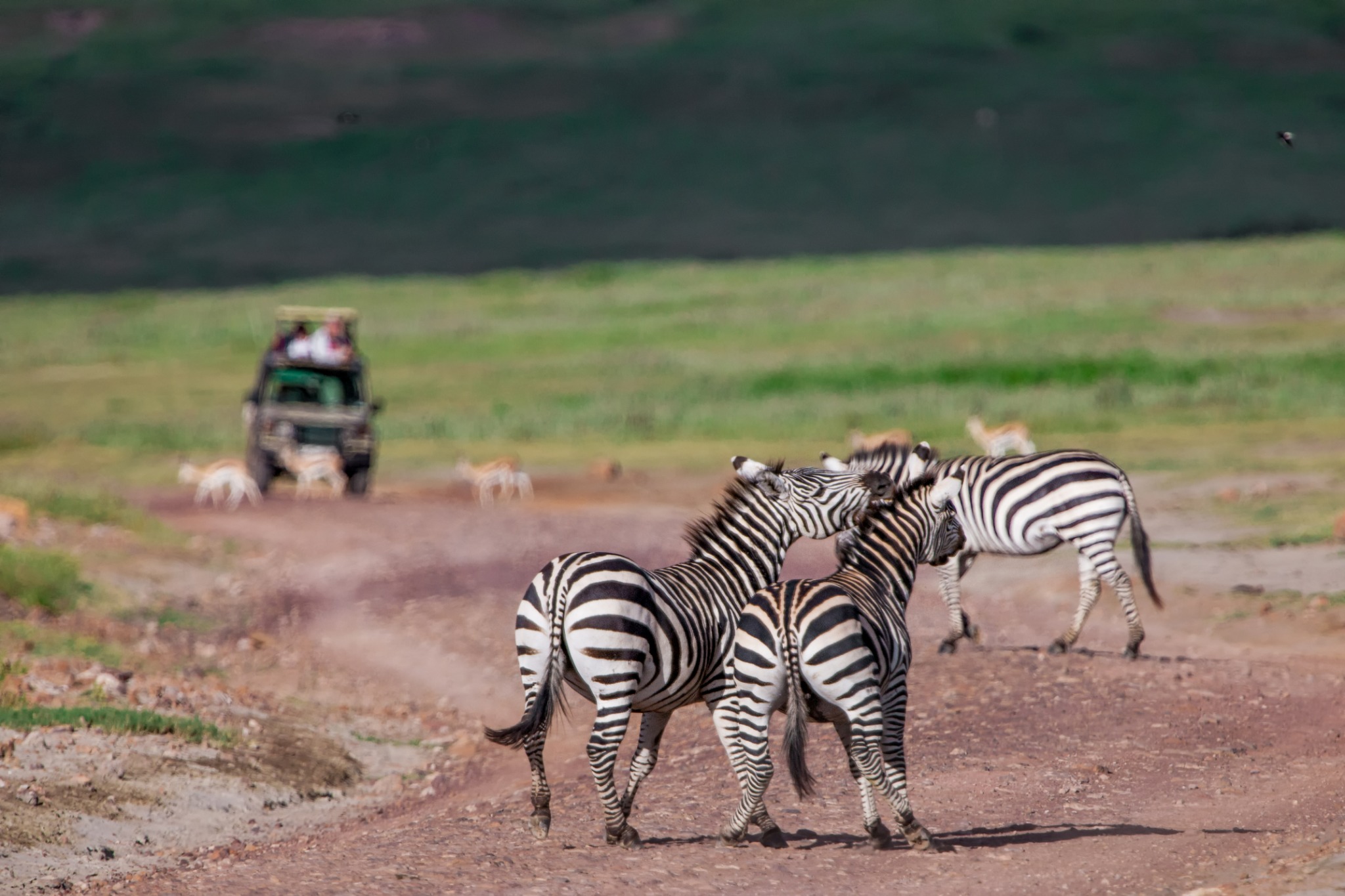
Start with Your Children’s Ages
Lodges set their own age limits for game drives, walks, hides, and other activities. Some require a private vehicle for younger children; others exclude children from particular experiences. Confirm the exact property’s policy in writing before booking rather than relying on a general safari age rule.
Ask the specific lodge—not the destination in general:
- Minimum age for shared game drives
- Whether a private vehicle is required or available
- Childcare during adult activities
- Family room and tent configurations
- Fencing and wildlife movement through camp
- Pool supervision and water safety
- Children’s nature programs and their hours
A property that “accepts children” may still be poorly suited to a preschooler. A truly family-oriented lodge designs the experience around them.
South Africa, Kenya, or Tanzania?
South Africa can be a practical first choice when your family wants a safari combined with Cape Town or a coastal stay. South African Tourism highlights family-oriented reserves and lodges, but suitability depends on the property, children’s ages, transfers, and health advice for the full route.
Kenya offers classic savanna landscapes and well-known wildlife regions, with Nairobi acting as an international gateway. Tanzania pairs famous northern-circuit parks with possibilities such as Zanzibar. Both East African options can involve light-aircraft flights, longer drives, or more complex health and entry planning.
No destination guarantees a particular animal sighting. Choose the ecosystem, season, and overall journey and keep expectations flexible about what you may see.
Season Changes the Experience
Dry seasons often make wildlife easier to spot around water sources and can bring cooler mornings. Green seasons can offer beautiful landscapes, fewer visitors, young animals, birdlife, and value—but also rain and different road conditions. Migration timing varies with weather and natural movement; it cannot be guaranteed for a particular date.
Ask about typical temperatures at dawn and afternoon, rainfall, dust, insects, road conditions, and daylight. Pack for the actual month and elevation.
Understand the Safari Day
Game drives often leave early, pause during the warm middle of the day, and return in late afternoon. Drives can last several hours on uneven roads, with bathroom opportunities determined by the environment. That rhythm may delight an eight-year-old wildlife enthusiast and overwhelm a tired four-year-old.
Build rest days and choose a lodge with something meaningful between drives: a pool, family program, short nature activity, comfortable communal space, or simply room to decompress. One well-matched lodge may be enough for a first safari; add another region only if the contrast is worth the transfer.
Health Planning Is Personal
Health and vaccination recommendations vary by destination, routing, season, age, medical history, and current public-health guidance. Some countries or routings may have yellow-fever documentation requirements. Malaria risk and prevention guidance also vary by area.
Consult your pediatrician or a qualified travel-medicine clinician well before departure. Review the current CDC destination pages and official entry rules. This article cannot tell a particular family which vaccines or medications are appropriate.
Also discuss food and water precautions, sun and insect protection, motion sickness, allergies, prescription storage, and what medical care is available near the lodge. Purchase travel insurance only after reading medical, evacuation, cancellation, and pre-existing-condition terms.
Flights, Transfers, and Luggage
Safari itineraries can combine long-haul flights, small aircraft, unpaved airstrips, and road transfers. Light-aircraft segments often have strict weight, size, and soft-sided luggage rules. Child restraints may not mirror home-country expectations on every transfer, so ask in advance what is provided and what can be arranged.
Plan a buffer after the international flight before a complex connection, particularly with young children. A first night near the gateway can protect the whole itinerary from delays and fatigue.
What to Pack
Choose comfortable neutral clothing, layers for cold mornings and warm afternoons, a brimmed hat, sun protection, closed shoes, and a light rain layer when seasonally appropriate. Bring binoculars sized for children, quiet activities, necessary medicines, copies of documents, and charging options.
Camouflage restrictions can apply in some countries. Drones are heavily regulated or prohibited in many wildlife areas. Verify current rules rather than packing either casually.
Teach Respect Before Arrival
Children should understand that wildlife is not controlled, silence can matter, guides’ instructions are immediate, and nothing gets fed or touched. The reward is learning to watch: tracks, birds, behavior, plants, and the long quiet before something extraordinary appears.
Photography is part of the trip, not the entire trip. Give children a camera or journal, but also let them see an elephant without first placing a screen between themselves and the moment.
A Good First-Safari Itinerary
For many families, three or four nights at one well-matched lodge creates a satisfying first safari. Add a second region only when it provides a meaningful contrast and the transfer is worth the effort. Then include a slower city, coast, or nature stay.
The goal is not to collect the greatest number of parks. It is to make the family comfortable enough to stay curious.